
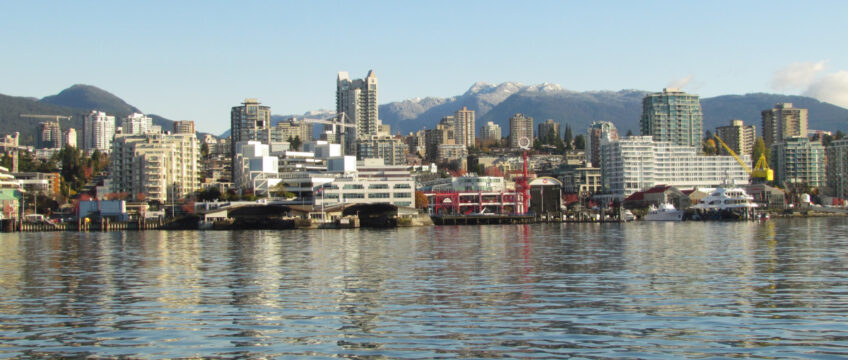
What’s the Difference When Buying a Home in North Vancouver?
If you’re thinking about buying a home on the North Shore, you may have noticed something a bit confusing: North Vancouver is actually two separate municipalities—the City of North Vancouver (CNV) and the District of North Vancouver (DNV).
While they share the same stunning backdrop of ocean and mountains, the homeownership experience can differ quite a bit between the two. Whether you’re a first-time buyer, a growing family, or looking to invest, here’s what you need to know about owning a home in each area.
🏛️ Governance & Planning: Two Governments, Two Approaches
Though they’re neighbours, CNV and DNV are governed by separate city councils, each with its own policies and zoning priorities.
- The City tends to be more urban-focused, actively encouraging higher-density housing, new condo developments, and mixed-use buildings.
- The District, by contrast, is known for its conservative approach to development. Change comes more slowly here, with a strong preference for preserving the character of single-family neighbourhoods.
This difference plays a major role in what kinds of homes are available—and what might be approved in future.
🏠 Housing & Density: Suburban vs. Urban
District of North Vancouver (DNV)
- Primarily low-density: single-family homes, townhomes, and quiet cul-de-sacs.
- Larger lot sizes, more detached homes.
- Stricter zoning rules and slower to adopt new housing types.
City of North Vancouver (CNV)
- More urban and compact, with a strong focus on:
- Condo towers
- Walkable communities
- Mixed-use development (especially around Lonsdale)
- A hub for new multifamily construction.
If you prefer a backyard and space to breathe, DNV has the edge. But if you prefer a condo lifestyle with shops and transit at your doorstep, CNV is a better match. Remember everyone and every family is different so choose one that fits.
🚶♀️ Transportation & Walkability
CNV: Car-Optional Living
With access to the SeaBus at Lonsdale Quay, buses, and a pedestrian-friendly downtown, CNV is perfect for those who prefer transit or walking. Most errands can be done without a car.
DNV: Car-Friendly, Nature-Centric
The District covers a larger, more spread-out area. While there’s bus service, you’ll likely need a car for everyday convenience—especially in areas like Deep Cove, Blueridge, or Lynn Valley.
🌲 Lifestyle & Amenities
District of North Vancouver
- Ideal for outdoor enthusiasts—close to trails, rivers, and ski hills.
- More residential and tranquil; less commercial activity.
- Family-oriented neighbourhoods with great access to parks and nature.
City of North Vancouver
- A more urban, energetic vibe.
- Trendy restaurants, breweries, and cultural venues.
- Walkable access to Lonsdale Quay, The Shipyards, and community events.
💰 Property Taxes & Affordability
Property Taxes
Historically, DNV has slightly lower property tax rates than CNV, though actual costs depend on your home’s assessed value.
Affordability
- Detached homes in DNV often come at a premium, especially in view or trail-adjacent areas.
- CNV tends to offer more affordable options in the form of condos and townhomes—ideal for first-time buyers or investors.
Final Thoughts
While both the City and the District of North Vancouver offer incredible quality of life, they cater to different lifestyles and priorities. The City delivers urban energy and walkability. The District offers peace, space, and nature.
When choosing between them, ask yourself:
- Do I want to walk to cafés, or step into the forest from my front door?
- Is a backyard more important than being near the SeaBus?
- Do I want to be in a growing urban hub or a quiet, residential community?
Understanding the differences can help you buy with clarity—and confidence.